Understanding the Celebrity Look-Alike Culture
The fascination with celebrity culture has permeated various aspects of our daily lives, including fashion, lifestyle choices, and even social interactions. One of the most intriguing aspects of this phenomenon is the concept of looking like a celebrity. Many people find themselves drawn to the idea of resembling famous personalities, whether it’s due to admiration or the fun of discovering a shared visage. With the advent of technology, particularly smartphone applications and online platforms, identifying one's celebrity doppelgänger has become not only a popular pastime but also an engaging means to explore personal identity. For those looking to delve deeper into this exploration, looks like a celebrity offers a wealth of resources and insights to aid in this exciting journey.
What Does It Mean to Look Like a Celebrity?
Looking like a celebrity refers to the phenomenon where an individual bears a striking resemblance to a famous person. This can include similarities in facial features, hairstyles, or overall demeanor. Such likenesses are often celebrated in popular culture, as they can spark conversations about beauty standards, identity, and the ways we perceive ourselves in relation to public figures. The appeal of resembling a celebrity can also reflect a desire for social validation, as individuals often admire qualities projected by these public figures, such as confidence, charisma, and beauty.
The Rise of Celebrity Look-Alike Apps
In recent years, the development of celebrity look-alike applications has significantly increased. These apps leverage sophisticated artificial intelligence (AI) and facial recognition technologies to match users with celebrity images based on uploaded selfies. Each app functions differently, but the general process includes uploading a photo, whereupon the app analyzes facial features and provides matches with celebrity photos. Popular apps like "Celebs Like Me" and "Fotor" have garnered attention for their user-friendliness and accuracy. The accessibility of these apps has contributed to a broader cultural phenomenon where the intersection of technology and entertainment leads to intriguing social interactions and discussions.
Psychology Behind Celebrity Resemblance
The desire to find a celebrity look-alike is steeped in complex psychological factors. Individuals often idolize celebrities, viewing them as aspirational figures that embody traits they wish to possess. When someone discovers they resemble a celebrity, it can boost their self-esteem and provide a sense of connection to that idol. Moreover, this search for resemblance can reflect deeper desires for acceptance and belonging, showcasing how closely linked our identities are to the media and cultural representations around us.
How Face Recognition Technology Works
Understanding the technological framework behind celebrity look-alike apps requires a deeper dive into face recognition technology. The algorithms and systems used in these applications are driven by advanced AI methodologies that enable them to analyze and compare facial features with remarkable accuracy.
Basics of AI and Facial Recognition
At the core of face recognition technology lies AI, which mimics human cognitive functions such as perception and decision-making. Facial recognition systems typically use deep learning, a subset of AI, to identify and verify human faces from images. These systems analyze key attributes such as the distance between features, contours, and textures to create a digital representation of a face that can be compared against a database of celebrity images.
Comparison Algorithms Explained
The comparison algorithms are crucial in determining match accuracy. They employ techniques such as eigenfaces, which break down facial images into different components, allowing for efficient comparison. By quantifying facial attributes and comparing them to a vast database of celebrity images, these algorithms can find matches and rank them based on similarity. This technology evolves continuously, with ongoing advancements improving both speed and accuracy.
Data Privacy Concerns in Face Matching
With the increasing popularity of celebrity look-alike applications comes significant concern regarding data privacy. Users are often required to upload personal images, raising questions about how these images are stored, processed, and potentially shared. App developers must ensure compliance with data protection regulations while providing transparency to users about how their data is utilized, stored, and protected.
Step-by-Step Guide to Finding Your Celebrity Twin
If you’re eager to discover which celebrity you resemble most closely, here’s a straightforward guide to navigating the process effectively.
Choosing the Right Photo to Upload
Selecting an appropriate photo is crucial for the best results. Opt for a clear, high-resolution image where your face is visible and well-lit. Avoid photos with sunglasses, hats, or obstructions that can hinder accurate facial recognition. The expression in your photo can also impact results; a neutral expression often yields better matches.
Using Celebrity Look-Alike Apps Effectively
When using celebrity look-alike apps, follow the specific instructions provided by the app. Each may have unique features and requirements. Make sure to review potential privacy settings before uploading images. Most apps allow for customization and may include features for tweaking results based on user preferences.
Interpreting Your Results and Matches
After uploading your photo, the app will analyze it and provide celebrity matches. Take these results with a pinch of humor; while technology has made impressive strides, the results should be viewed as fun and entertaining rather than definitive. Use the results as conversation starters or fun social media content, enjoying the shared experience of discovering your celebrity doppelgänger!
Creative Ways to Embrace Your Celebrity Similarity
Once you discover your celebrity look-alike, you can have fun exploring various creative avenues to embrace this newfound similarity.
Sharing Your Celebrity Matches on Social Media
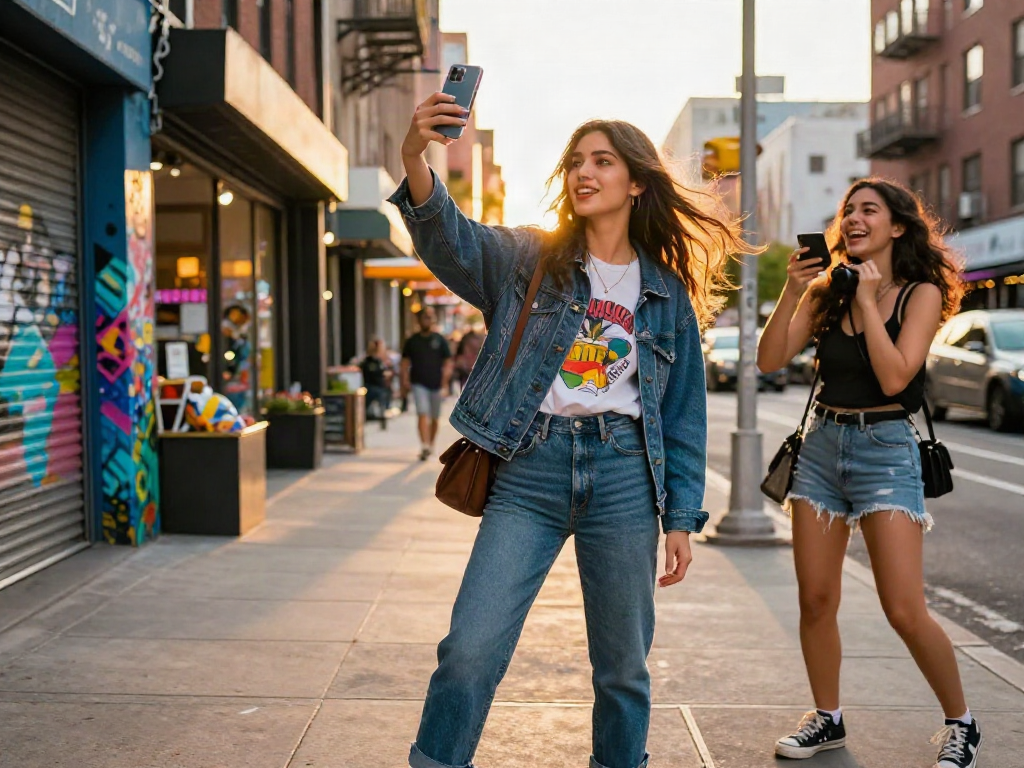
Social media platforms are a perfect stage to showcase your celebrity matches. Many users enjoy sharing their results with friends, inviting comments and laughter. This can spark conversations about the traits you share with that celebrity, further engaging your social circle.
Using Your Look-Alike for Creative Projects
Consider utilizing your celebrity resemblance as inspiration for creative projects. This could range from themed parties to photo shoots where you mimic the style of your celebrity twin. You might even create fun content such as videos or blog posts discussing the traits you share and what it means to resemble a public figure.
Participating in Celebrity Look-Alike Contests
Many contests exist online or within local communities that celebrate celebrity look-alikes. Participating can be an enjoyable way to connect with others who share the same interests. You could win fun prizes and recognition, making the experience even more rewarding.
Future Trends in Celebrity Look-Alike Technologies
The celebrity look-alike phenomenon shows no signs of slowing down. As technology continues to evolve, we can expect significant advancements in how these likenesses are found and celebrated.
Innovations in AI and Image Processing
Future trends in AI will likely enhance facial recognition technology, improving the accuracy and detail of matches. As image processing algorithms become more sophisticated, we may see features such as enhanced image filtering that can adapt to different lighting conditions or angles, producing even better matches.
The Growing Popularity of Virtual Try-Ons
The trend of virtual reality in retail is gaining traction, extending to celebrity look-alikes. Expect the development of augmented reality (AR) features in apps that allow users to try on hairstyles, clothing, or makeup that match their celebrity doppelgängers, creating an immersive experience.
Predictions for Celebrity Look-Alike Culture in 2026
By 2026, the concept of celebrity look-alikes may further intertwine with viral social media trends. User-generated content featuring look-alike transformations could become the norm, and events celebrating this unique aspect of identity may gain mainstream popularity. Technology will play a crucial role in shaping this culture, fostering an environment where sharing and creativity flourish.
What is it called when you look like a celebrity?
The term used to describe someone who resembles a celebrity is often referred to as a "celebrity look-alike." This term encapsulates the allure and fascination many feel when discovering they share features or traits with a famous figure.
How do you say you look like a celebrity?
When expressing that you resemble a celebrity, you might say, "I look like [Celebrity Name]," or simply, "People say I look like a celebrity." This conveys both your recognition of the resemblance and the fun associated with that identity.
Why do people say I look like a celebrity?
People might observe a resemblance due to shared facial features, expressions, or even styles. This is often accompanied by a desire to connect on a personal level with someone they admire, underscoring the significant impact celebrities have on our perceptions of identity.
Who is a celebrity lookalike?
A celebrity lookalike is someone who closely resembles a specific famous person, often to the point where they can be mistaken for that individual. These lookalikes sometimes perform in entertainment venues, capitalizing on their resemblance to appeal to fans and audiences.
Can I find my celebrity lookalike for free?
Yes, several platforms and mobile applications offer free celebrity look-alike services. While premium features may be available, many basic functionalities allow users to upload photos and receive matches at no cost, granting access to the fun of discovering their celebrity doppelgängers.