Understanding The True Trade Demo Trading Environment
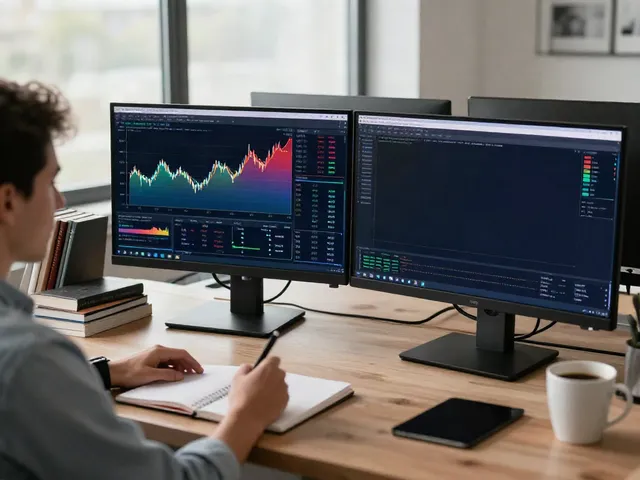
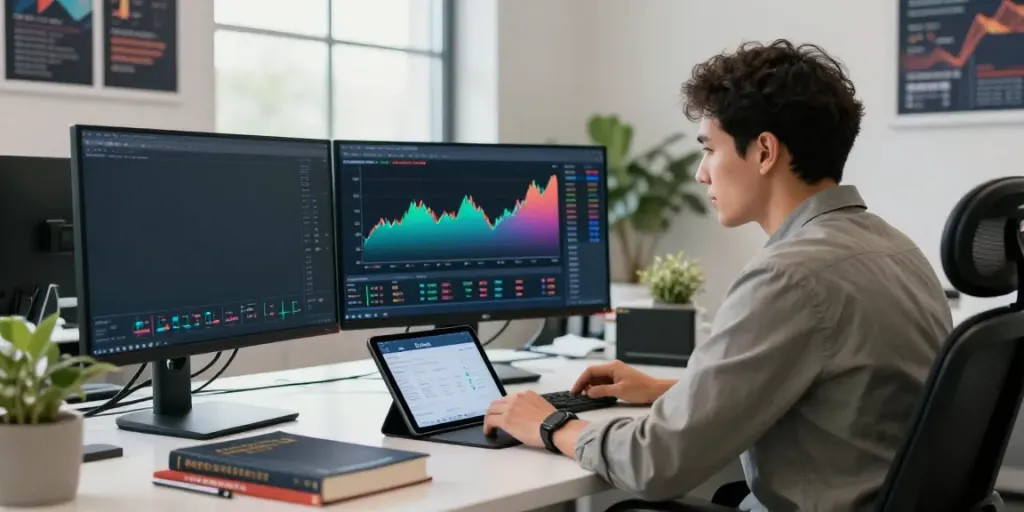
The True Trade offers a robust platform for both novice and experienced traders to explore the dynamics of cryptocurrency trading through its Demo Trading feature. This risk-free environment allows users to practice their trading strategies using virtual funds, thereby minimizing the financial risks typically associated with live trading. When exploring options, The True Trade Demo Trading provides comprehensive insights into market behavior, enabling users to refine their skills before committing real money.
What is The True Trade Demo Trading?
The True Trade Demo Trading is an innovative feature that allows traders to simulate trading conditions without the need for real funds. Users can select a variety of cryptocurrencies and trade them in a virtual environment that mimics real market conditions. This is particularly beneficial for beginners who need practice before entering the volatile world of crypto trading. The demo account is equipped with real-time data and tools available on the actual trading platform, providing a seamless transition for users once they decide to switch to live trading.
Benefits of Using a Demo Trading Account
- Risk-Free Environment: Users can experiment with various strategies without the threat of losing real money.
- Familiarization with the Platform: It allows traders to become accustomed to the user interface and trading tools available on The True Trade platform.
- Strategy Development: Users can test and refine their trading strategies in a safe space.
- Emotional Management: Demo trading assists in understanding one’s psychological responses to trading success and failure without financial pressure.
How to Get Started with The True Trade Demo Trading
Getting started with The True Trade Demo Trading is straightforward. First, users need to create an account by navigating to the registration page. Once registered, accessing the demo trading feature is just a matter of logging in and selecting the demo account option. Users can then explore available cryptocurrencies, set their trading parameters, and begin simulated trading. This simple setup process enables users to dive right into practicing their trading strategies.
Setting Up Your Demo Trading Account
Step-by-Step Registration Process
- Visit The True Trade website and click on the “Register” button.
- Fill in your personal information, such as email address and password.
- Verify your email by clicking on the link sent to your inbox.
- Log in to your account and select the demo trading option.
Configuring Your Account Settings
Once logged in, it’s crucial to configure your account settings. This includes setting up your trading parameters, such as selecting the currencies you want to trade and adjusting your virtual balance. Users should also take the time to customize their trading interface to optimize their trading experience. The platform offers various tools to enhance user experience, which can be configured according to individual preferences.
Choosing the Right Markets for Demo Trading
When engaging in demo trading, selecting the right markets can greatly influence the learning experience. Traders should research various assets available on The True Trade platform, focusing on those that offer high volatility for practice. This allows users to experience significant market movements and practice their strategies in responsive environments. Having a diversified focus can also provide insights into different market behaviors, enhancing overall trading acumen.
Mastering Demo Trading Strategies
Fundamental vs. Technical Analysis in Demo Trading
To be successful in trading, understanding the fundamentals and technical aspects of the market is critical. Fundamental analysis involves evaluating the underlying value of a cryptocurrency, considering factors such as market demand, news events, and technology advancements. Conversely, technical analysis focuses on price movements and trading volumes through various charting tools and indicators. Utilizing both analyses can significantly improve trading decisions and outcomes.
Developing a Risk Management Plan
A comprehensive risk management plan is essential for traders, even in a demo environment. This includes setting limits on potential losses, employing stop-loss orders, and determining the appropriate amount of capital to allocate for each trade. Although demo trading does not involve real money, developing this discipline is crucial for when transitioning to a live trading environment, where stakes are higher.
Utilizing Trading Indicators and Tools
The True Trade platform provides users with a variety of trading indicators and tools that can enhance trading decisions. Familiarizing oneself with these tools during the demo trading phase allows users to understand how to apply them effectively. Popular indicators include moving averages, Relative Strength Index (RSI), and MACD, which can help traders analyze market trends and make timely decisions.
Common Challenges in Demo Trading
Overcoming Psychological Hurdles
One of the key challenges in demo trading is overcoming the psychological aspects of trading. Many traders find that the lack of real financial stakes in demo trading can lead to a false sense of security, which may not translate to actual trading scenarios. Recognizing this discrepancy and approaching demo trading with the same seriousness as live trading can help cultivate better habits and emotional control.
Understanding Market Slippage and Order Execution
Although demo accounts simulate real market conditions, they may not fully capture issues like market slippage—when a trade is executed at a different price than expected. Understanding this concept and how it can impact trades is crucial. Traders should practice under varying market conditions to experience how their orders might be affected in the live environment.
Realistic Expectations from Demo Trading
Setting realistic expectations is vital for any trader. While demo trading is an excellent way to learn, it’s essential to remember that trading in live markets involves additional complexities, such as emotional stress and decision-making under pressure. Being aware of these differences can help traders transition more smoothly to live trading scenarios.
Future Trends in Demo Trading for 2026
Innovations in Trading Technology
As the trading landscape evolves, we will likely see numerous technological innovations that will enhance demo trading experiences. Features such as virtual reality trading environments and enhanced artificial intelligence algorithms may redefine how traders engage with the market, allowing for more immersive and realistic simulation experiences.
The Role of AI and Automation
Artificial intelligence and automation are set to play pivotal roles in shaping the future of demo trading. AI algorithms can provide personalized recommendations based on a trader’s performance, identifying strengths and weaknesses while automating specific trading tasks. This could empower traders to focus on strategy development and market analysis instead of manual trading processes.
Regulatory Changes and Their Impact on Trading
As governments and regulatory bodies continue to develop frameworks for digital assets, changes in regulations could impact both demo and live trading. Keeping abreast of these developments will be essential for traders to adapt their strategies and ensure compliance. Understanding potential regulatory changes can also provide insights into future market conditions.
What features should I look for in a demo trading platform?
When selecting a demo trading platform, users should look for features such as real-time data, a wide range of trading instruments, access to trading tools and indicators, and a user-friendly interface. The quality of customer support and educational resources should also be considered to enhance the overall trading experience.
Can I transition from demo trading to live trading easily?
Transitioning from demo trading to live trading is typically straightforward on most platforms, including The True Trade. However, it requires users to develop the right mindset and strategies during the demo phase. Familiarity with the platform's tools and the understanding of market behaviors acquired during demo trading will serve as strong foundations for live trading.
How does The True Trade ensure account security during demo trading?
The True Trade employs robust security measures to protect user accounts, even during demo trading. This includes two-factor authentication (2FA), data encryption, and regular security audits. Understanding these security practices is essential for traders to ensure their accounts remain secure and to build confidence in the platform.
Is practice with demo trading truly reflective of real market conditions?
While demo trading provides a close representation of real market conditions, it may not completely capture the emotional and psychological dynamics experienced during live trading. Traders should approach demo trading as an educational tool, recognizing the differences in pressure and stakes when actual funds are involved.
What are common mistakes to avoid in demo trading?
- Ignoring risk management principles.
- Overtrading due to lack of real financial stakes.
- Failing to develop a coherent trading strategy.
- Not using the opportunity to learn from mistakes made during demo trading.