Overview of the Manaslu Trek
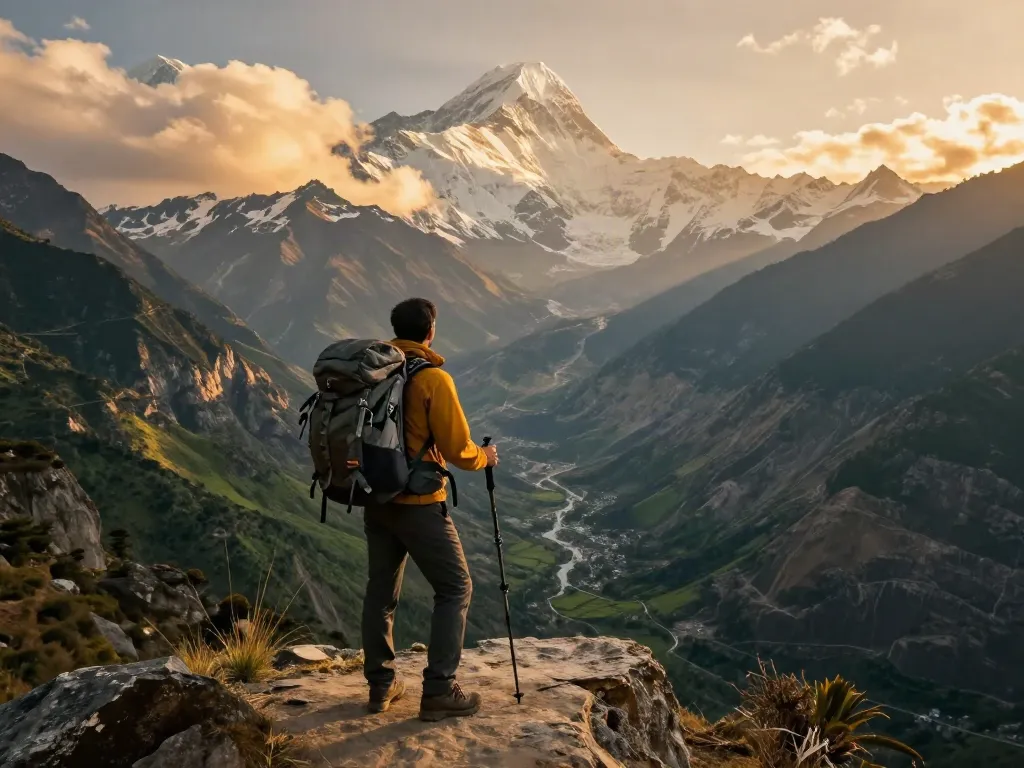
The Manaslu Trek is an exhilarating trekking route that offers breathtaking vistas, rich cultural experiences, and an adventure that is less traveled compared to Nepal's more popular trails. Circling the world's eighth-highest peak, Mount Manaslu (8,163 m), this trek is not only about the scenic landscapes but also about connecting with the vibrant culture of the local communities, many of which are of Tibetan descent. The trek takes you through remote villages, lush forests, and rugged terrains, making it a fantastic experience for seasoned trekkers seeking adventure off the beaten path.
What is the Manaslu Trek?
The Manaslu Trek is a 15-day adventure that leads trekkers through the stunning Manaslu Conservation Area, characterized by its diverse flora and fauna, including rare species like snow leopards and blue sheep. The trek begins in the lush lowlands of the Budi Gandaki River and ascends to high-altitude alpine forests. It culminates at the Larkya La Pass (5,160 m), providing stunning panoramic views of the majestic peaks surrounding the Manaslu region. Unlike many other trekking routes in Nepal, the Manaslu Circuit offers a more peaceful and serene trekking experience, largely due to its restricted-access nature that requires special permits.
Highlights of the Journey
The trek is filled with numerous highlights, including:
- Crossing the iconic Larkya La Pass, which offers breathtaking views of the surrounding Himalayas.
- Visiting the picturesque village of Samagaon, a hub of Tibetan culture and hospitality.
- Exploring ancient monasteries and traditional villages, which showcase the rich cultural tapestry of the region.
- Experiencing the rich biodiversity of the Manaslu Conservation Area.
- Witnessing stunning views of the world’s eighth highest peak, Mount Manaslu.
Importance of Permits
Due to its location in a restricted area, the Manaslu Circuit requires several permits, including the Manaslu Restricted Area Permit (RAP), the Manaslu Conservation Area Permit (MCAP), and the Annapurna Conservation Area Permit (ACAP). These permits ensure that trekkers have a structured and responsible experience while helping to preserve the environment. Obtaining these permits is mandatory and is typically handled by registered trekking agencies.
Planning Your Manaslu Trek
Proper planning is essential to ensure a successful trek. From understanding the best times to trek, to packing the right gear, each element plays a crucial role in your overall experience.
When to Trek: Best Seasons
The ideal seasons for trekking the Manaslu Circuit are during the spring (March to May) and autumn (September to November). These periods provide stable weather conditions, clear skies, and allow trekkers to enjoy the stunning landscapes without the hindrances of heavy crowds.
Spring brings blooming rhododendrons and moderate temperatures, while autumn features crystal-clear views of snow-capped peaks, making both seasons equally appealing for trekkers.
Required Gear and Packing List
Your trekking experience will greatly depend on your gear selection. Essential packing items include:
- Durable trekking boots with good ankle support.
- Warm clothing in layers to adjust to the fluctuating temperatures.
- A good-quality sleeping bag rated for high altitudes.
- Water purification tablets or filters to ensure safe drinking water.
- First-aid kit with necessary medications.
- Sun protection gear, including sunscreen, sunglasses, and hats.
Physical Preparation and Training
Given the trek's challenging nature, it is essential to prepare your body through cardiovascular exercise, strength training, and hiking practice. Engaging in regular training sessions two to three months prior to your trek will significantly enhance your endurance and physical readiness.
A mix of hiking on incline trails, jogging, and strength workouts can build the endurance needed for carrying a backpack and navigating steep terrains.
Understanding the Itinerary
During the 15-day trek, you'll experience a variety of landscapes, cultures, and acclimatization stops to ensure a safe journey.
Day-by-Day Breakdown
The trek begins with your arrival in Kathmandu, followed by a drive to Machha Khola, the starting point of the trek. From there, you'll gradually trek through various villages and natural landscapes, with stops at:
- Day 1: Arrival in Kathmandu and transfer to hotel.
- Day 2: Drive to Machha Khola (8-10 hours).
- Day 3: Trek to Jagat (6-7 hours).
- Day 4: Trek to Deng (6-7 hours).
- Day 5-6: Trek to Lho and Samagaon, including acclimatization.
- Day 11: Cross Larkya La Pass and descend to Bimthang.
- Day 14: Return drive to Kathmandu.
- Day 15: Departure from Kathmandu.
Key Stops and Cultural Experiences
Throughout the trek, you will encounter many traditional villages like Samagaon and Lho, where you can immerse yourself in local customs, sample traditional foods, and witness cultural rites at monasteries. These interactions help create a deeper understanding and appreciation of the region's rich heritage.
Acclimatization Strategies
Acclimatization is crucial for adapting to high altitudes and avoiding altitude sickness. The itinerary includes designated acclimatization days, allowing trekkers to increase their altitude gradually. On these days, consider hiking to nearby peaks or exploring local sites, which will help your body adjust to the thinning air. Staying hydrated and maintaining a balanced diet are also key components of successful acclimatization.
Budgeting for the Manaslu Trek
Understanding the cost breakdown is essential for effective budgeting throughout your trekking experience.
Cost Breakdown of the Trek
The total cost of the Manaslu Trek generally falls between $1,500 and $2,500. Factors influencing this price include trekking agency fees, accommodation type, and additional services. Budgeting for extra expenses, such as meals not included in the package, snacks, and personal items, is essential.
What’s Included in the Price?
Typically, your trek package will cover transportation, accommodation, meals during the trek, necessary permits, and a licensed guide. Ace the Himalaya, for example, offers a comprehensive package that includes all these elements to provide a seamless trekking experience.
Managing Personal Expenses During the Trek
Throughout the trek, expect to spend an additional $15-20 daily for snacks, drinks, or other amenities not covered in your trek package. Cash is essential in the remote areas along the trek as many teahouses do not accept credit cards.
Safety and Health Considerations
Safety is a top priority when trekking in remote Himalayan regions. Being aware of challenges and taking preventive measures can enhance your safety significantly.
Common Trekking Challenges
Challenges can include difficult weather conditions, injury risks, and altitude sickness. By preparing adequately and staying aware of your surroundings, you can mitigate these risks effectively.
Altitude Sickness Awareness
Altitude sickness can be a serious concern for many trekkers. Symptoms such as headaches, nausea, and fatigue can occur when ascending too rapidly. It’s recommended to ascend gradually, remain hydrated, and follow your body’s signals to manage altitude sickness effectively. Having a first aid kit and knowing how to use it can also prove invaluable in case of emergencies.
Emergency Procedures and First Aid
All trekking groups should have a plan in case of emergencies. Your guide should be familiar with first aid practices and emergency evacuation procedures. It’s advisable to carry a personal first aid kit that addresses your specific health needs. Familiarize yourself with the symptoms of altitude sickness and other potential health issues before beginning your trek.
What should I know before starting the Manaslu Trek?
Before embarking on the Manaslu Trek, familiarize yourself with the local customs and culture. Respecting the traditions of the communities you encounter will enhance your experience and foster goodwill. Additionally, learn about the challenges, including potential weather changes and your physical preparedness for long trekking days.
Is the Manaslu Trek suitable for beginners?
While the Manaslu Trek is primarily designed for experienced trekkers, beginners with good fitness levels and determination can take on this adventure with appropriate preparation. Engaging in physical conditioning ahead of time and selecting guided tours with a knowledgeable group can help ensure a memorable trekking experience.
How do I choose a trekking agency for Manaslu Trek?
When selecting a trekking agency, look for those with solid reputations, experienced guides, clear communication, and comprehensive itineraries. Reading reviews and seeking recommendations can also help you find reputable companies that align with your trekking needs.
What are the accommodation options during the trek?
Throughout your trek, you will typically find accommodation in teahouses offering basic yet comfortable lodgings. Most accommodations offer twin-sharing rooms with shared bathrooms, while some higher-altitude locations may provide dormitory-style setups. Having realistic expectations regarding the level of comfort can help you enjoy the experience more fully.
Are there any specific dietary considerations on the Manaslu Trek?
Most teahouses offer local cuisine, including vegetarian options, which are encouraged for health reasons. It’s advisable to communicate any specific dietary requirements early on to ensure adequate meal preparation. Carrying energy bars or snacks can also help maintain your energy levels while trekking.