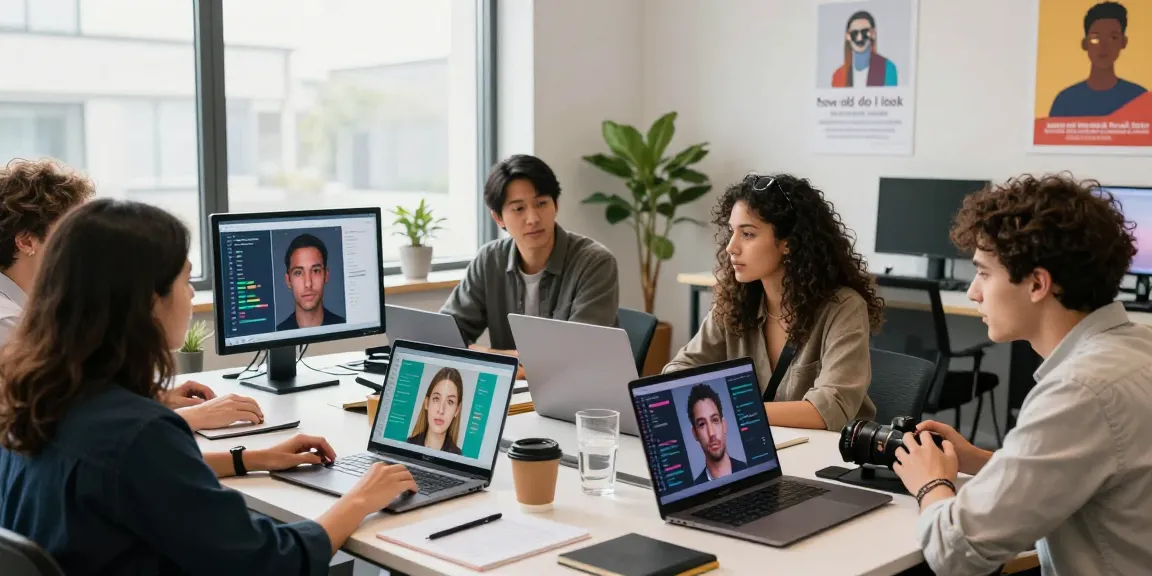
Understanding the "How Old Do I Look" Phenomenon
The concept of estimating one’s age based on facial features has gained immense popularity in recent years, leading to various online tools and applications that harness artificial intelligence (AI) to deliver age assessments. This trend is not only entertaining but also taps into deeper psychological and social aspects of self-perception and identity. By leveraging image recognition technologies, users can upload photos to receive an AI-generated estimate of how old they look, sparking curiosity and discussion about age, beauty, and social pressures. If you're interested in discovering your own age estimation, platforms like how old do i look provide comprehensive insights into this engaging phenomenon.
What is the "How Old Do I Look" Concept?
The "How Old Do I Look" concept revolves around assessing an individual's perceived age based on their facial features. This is primarily achieved through AI algorithms that analyze various markers of aging, such as wrinkles, fine lines, skin texture, and even facial symmetry. Users often participate for fun, to get a sense of their appearance, or to validate personal feelings about aging. Moreover, these estimations can sometimes challenge societal norms regarding beauty and youthfulness, raising discussions that go beyond mere numbers.
How AI Technology Powers Age Estimation
AI technology enables accurate age estimation through deep learning algorithms and computer vision. These technologies use extensive datasets, consisting of images labeled by actual age, to train models that can recognize aging patterns. By processing a user-uploaded image, the AI can assess various facial attributes that signify age. This process involves complex calculations and analyses, including measuring skin smoothness, the presence of age lines, and overall facial structure. Continuous improvements in these algorithms mean that the accuracy of age estimation tools is consistently evolving.
User Intent and Demographics in Age Estimation
The demographic engaging with age estimation tools varies widely, spanning different age groups and backgrounds. Primarily popular among young adults and teens, these tools are often used in a social context, with users sharing results on platforms like Instagram and Snapchat. The intent is not only to satisfy curiosity but also to engage in playful interactions with friends. Additionally, older adults may use these tools to gauge how they are perceived, fostering discussions about aging gracefully and challenging stereotypes.
Exploring Popular Tools for Age Estimation
Overview of Top AI Age Estimation Tools
There are several AI-driven platforms designed for age estimation, each offering unique features and functionalities. Tools like FaceAge.ai and Fotor allow users to upload images and receive instant age assessments. These platforms emphasize user experience with straightforward interfaces and quick results. Additionally, applications like BeautyPlus and the Google Play Age App focus on user privacy while delivering fun age estimations based on advanced facial recognition technologies.
Comparative Analysis of Features and Accuracy
When selecting an age estimation tool, it is vital to consider factors such as accuracy, user interface, privacy policies, and additional features offered. Tools like FaceAge.ai have garnered praise for their accuracy, while Fotor stands out due to its easy-to-navigate platform. Users should also assess how their personal data is handled, as privacy remains a significant concern. Some tools provide detailed explanations of how their algorithms work, which can enhance user trust and confidence in the results.
User Experiences and Feedback on Popular Platforms
User feedback plays a crucial role in determining the effectiveness of these tools. Reviews often highlight the fun aspect of using age estimators, with many users sharing their results on social media. However, experiences can vary; some users report dissatisfaction when the AI underestimates or overestimates their age. This variance highlights the inherent challenges in accurately predicting perceived age, influenced by factors beyond mere facial features, such as personal style and makeup. As these tools continue to evolve, user feedback will be instrumental in refining their accuracy and usability.
Benefits of Knowing How Old You Look
Understanding Impact on Personal Branding
For professionals, understanding how old they appear can have significant implications on personal branding, particularly in industries where image plays a crucial role. Perceived youthfulness can enhance opportunities in fields like entertainment, fashion, and even corporate sectors. Consequently, age estimation tools can serve as a fun way to assess and, if necessary, strategically adjust one’s appearance to align with desired personal branding goals.
Social Media Engagement and Age Perception
Given the interconnectedness of aging perception and social media engagement, many users find that these tools influence how they present themselves online. An accurate or flattering age estimate can boost confidence, encouraging individuals to share their results, while an unexpected number can prompt a reevaluation of one’s social media persona. The viral nature of these age estimation trends often leads to wider discussions about age, beauty standards, and how individuals choose to document their lives online.
Self-Confidence and Psychological Insights
Using age estimation tools can provide crucial psychological insights, especially for individuals grappling with age-related insecurities. The results can either enhance self-esteem or lead to feelings of anxiety regarding aging. Understanding the factors behind age perception can enable users to embrace their appearance positively, fostering a healthier self-image. Moreover, reflecting on these results can initiate meaningful conversations about aging and encourage individuals to adopt a more positive perspective towards their appearance.
Challenges and Misconceptions in Age Estimation
Accuracy Issues with Current Technology
Despite advancements in AI, accuracy remains a significant challenge in age estimation. Various factors, such as lighting, image quality, and individual differences in facial features, can skew results. Users may find their age estimates to be inaccurate due to these limitations, leading to skepticism about the technology. It's essential to remember that age estimation is, at its core, an educated guess rather than a definitive measure.
Common Misinterpretations of Results
Many users misinterpret the results from age estimation tools, attaching emotional weight to numbers that may not truly reflect their overall health or beauty. The results can sometimes foster unhealthy comparisons or unrealistic expectations about appearance and youth. Users should approach these results light-heartedly, understanding that they are part of a broader conversation about beauty and aging.
Privacy Concerns Surrounding Facial Data
With the rise of AI-driven applications comes the necessary discourse around privacy, especially concerning facial data. Users often express concerns about their images being stored or misused. Reputable platforms should prioritize user data protection, employing robust security measures and transparent privacy policies to allay fears. Ensuring that users feel safe while utilizing these tools is essential for long-term engagement and trust.
Future Trends in AI Age Estimation Technology
Predicted Advances in AI for 2026
As technology continues to evolve, predictions indicate that AI age estimation will become increasingly accurate and sophisticated. Future developments may include enhanced algorithms that better account for diverse facial characteristics and contexts beyond static images, such as incorporating video assessments. Additionally, the integration of augmented reality features may allow users to visualize the aging process in real-time, making the experience more immersive.
Emerging Applications Beyond Age Estimation
The future of AI in analyzing facial features extends beyond age estimation into areas such as health monitoring and personalized skincare recommendations. By understanding skin health and aging progression, users may receive tailored advice on how to maintain their youthful appearance. This holistic approach could lead to wider applications in preventive healthcare and beauty enhancements.
Ethical Considerations in Predictive Technologies
The ethical implications surrounding predictive technologies, particularly those that analyze personal data, must be carefully considered. Societal pressures regarding appearance can intensify when age estimation tools are widely used. Developers must ensure that their applications promote positive body image and do not perpetuate harmful stereotypes related to age and beauty. This responsibility will significantly shape the future reception of these technologies.
Frequently Asked Questions
How does AI determine how old I look?
AI determines perceived age by analyzing various facial features, such as skin condition, facial structure, and other aging markers through advanced algorithms trained on extensive datasets.
Are these age estimations accurate?
While many tools strive for accuracy, factors like image quality and lighting can affect results. Users should view these outcomes as estimates rather than definitive measures.
What privacy measures do these tools offer?
Reputable age estimation tools prioritize user privacy by employing encryption measures and providing clear privacy policies regarding data handling and storage.
Can these tools be used for marketing purposes?
Yes, understanding perceived age can help marketers tailor campaigns targeting specific demographic groups, enhancing engagement and connection with audiences.
What’s the future of AI age estimation technology?
The future will likely bring advancements in accuracy and additional features, with potential applications in health and personal care, while addressing ethical and privacy concerns related to facial data use.