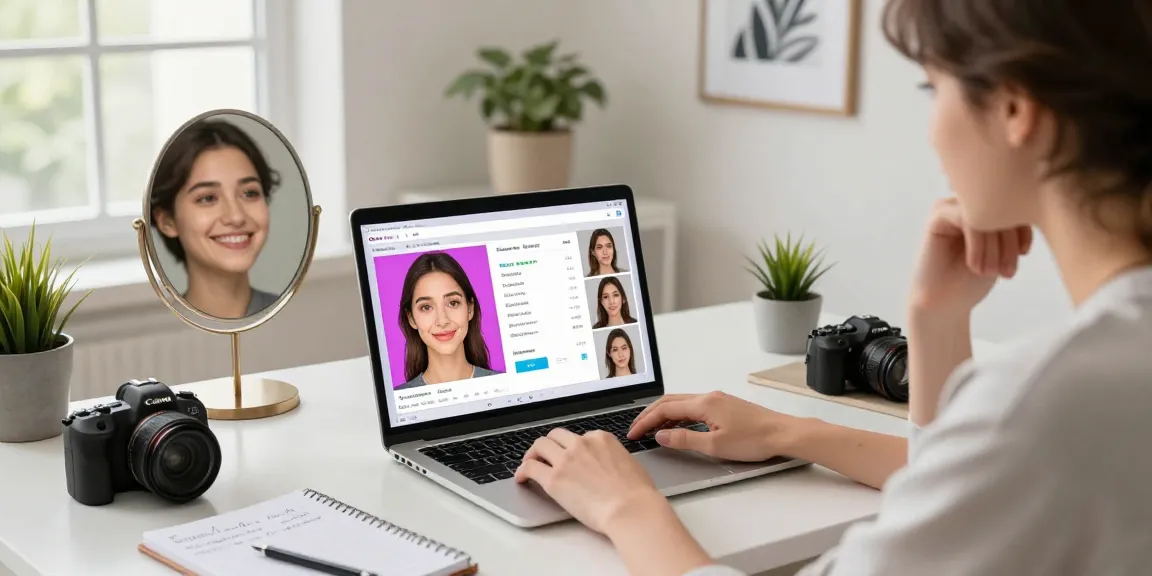
Understanding the Attractive Test
As technology evolves, so do the tools we use to assess and improve our perceptions of beauty. The attractive test is an innovative tool that leverages artificial intelligence to provide insights into facial attractiveness. By evaluating various parameters, individuals can gain a nuanced understanding of their appeal based on modern beauty standards. This comprehensive analysis can profoundly affect self-esteem and personal confidence, especially in a world where visual perceptions play a crucial role in social and professional interactions.
What is the Attractive Test?
The attractive test is a digital tool designed to measure an individual’s attractiveness by analyzing facial features with advanced AI algorithms. This tool allows users to upload a photo and receive an attractiveness score, typically ranging from 1 to 10 or a percentage score, depending on the platform. The assessment examines key characteristics such as facial symmetry, proportions, and adherence to established beauty standards, including the golden ratio.
In recent years, the demand for such tests has surged, with users seeking validation or insights that could help enhance their personal or social lives. Beyond entertainment, these tests can serve as a resource for those interested in aesthetic improvements or personal grooming advice.
How AI Powers Attractiveness Assessments
The backbone of the attractive test is artificial intelligence, which processes facial data through intricate algorithms. AI systems analyze hundreds of facial landmarks to evaluate symmetry, proportions, and depth. The effectiveness of this technology hinges on large datasets of images that inform the AI about various beauty standards across different cultures and demographics.
For instance, the technology can assess facial features like the distance between the eyes, the shape of the jawline, and the contour of the lips. This data is then synthesized to generate a score that reflects current societal beauty trends. As AI technology continues to advance, the accuracy and reliability of attractiveness assessments are expected to improve significantly, offering more personalized and nuanced feedback to users.
Key Metrics Used in the Attractive Test
Several critical metrics are commonly used in attractiveness assessments, each contributing to the overall attractiveness score. Here are some of the most important:
- Facial Symmetry: Symmetrical faces are often deemed more attractive, as they are traditionally associated with genetic health and fitness.
- Golden Ratio: This mathematical ratio is believed to represent beauty across cultures, influencing perceptions in art, architecture, and nature.
- Canthal Tilt: The angle of the eyes can affect attractiveness; a slight upward tilt is often perceived as appealing.
- Skin Quality: Factors like clarity, smoothness, and tone can significantly influence attractiveness ratings.
- Overall Proportionality: The balance between different facial features, such as the length of the face compared to its width, plays a crucial role in attractiveness determinations.
The Psychological Impact of Beauty Assessments
While the attractiveness test can provide valuable insights, it's essential to consider its psychological impact on users. Understanding beauty assessment outcomes can lead to various emotional responses, ranging from increased self-awareness to feelings of inadequacy.
How Perceptions of Attractiveness Affect Self-Esteem
Beauty standards are deeply ingrained in society, affecting how individuals perceive themselves and others. Research suggests that perceived attractiveness can significantly impact self-esteem, with higher attractiveness often correlating with greater self-confidence. However, the opposite is also true; unfavorable assessments can lead to feelings of self-doubt and insecurity.
For many users, the results of an attractiveness test may serve as either validation or criticism of their self-image. Therefore, it is vital for individuals to approach these evaluations with a healthy mindset, understanding that beauty is subjective and influenced by many factors beyond mere physical appearance.
Addressing Self-Doubt through AI Tools
AI tools like the attractive test can help users confront and manage their insecurities. By providing a framework for understanding their attractiveness, individuals can gain insights into their unique features that they may not have recognized otherwise. Additionally, feedback from these tools can encourage users to embrace their distinct traits and adopt a more positive self-image.
Moreover, many platforms offer personalized suggestions based on test results, from skincare routines to makeup tips or even hairstyle changes, empowering users to enhance their appearance and confidence actively.
Common Misconceptions about Beauty and Attractiveness
Despite the advancements in beauty assessment technology, misconceptions about attractiveness persist. Many individuals still equate beauty strictly with conventional standards, ignoring the diversity and uniqueness that contribute to personal appeal. It's crucial to understand that attractiveness is not solely defined by ratios or features but encompasses personality, confidence, and presence.
Furthermore, societal beauty norms evolve, meaning that what is considered attractive today may differ from perceptions in the future. Embracing this fluidity allows individuals to develop a more comprehensive view of beauty that celebrates variety and personal significance.
Using the Attractive Test Effectively
To maximize the benefits of the attractive test, users need to approach the results with a balanced perspective. Understanding how to interpret the findings can lead to productive self-reflection and growth.
Best Practices for Interpreting Your Results
When receiving results from an attractiveness test, keep the following best practices in mind:
- Stay Objective: Treat the results as one of many indicators of beauty; avoid allowing the score to define your self-worth.
- Focus on Improvement: Use the insights to identify areas of improvement rather than solely dwelling on low scores.
- Compare Judiciously: Avoid comparing your score to others; everyone has unique attributes that contribute to their attractiveness.
Tips for Sharing and Discussing Your Results with Others
Discussing attractiveness test results can be tricky, but it can also foster openness and support among friends and family. Here are tips for approaching these conversations:
- Create a Safe Space: Share results in a comfortable environment where everyone feels free to express their thoughts.
- Promote Positivity: Encourage discussions around self-improvement rather than judgment, focusing on strengths rather than weaknesses.
- Normalize the Experience: Remind others that everyone has insecurities, and utilizing these tools is part of a broader journey toward self-acceptance.
Real-Life Examples of Positive Changes After Taking the Test
Numerous individuals have reported transformative experiences after taking the attractive test. For example, some users have embraced new skincare routines based on feedback about skin quality, leading to improved self-esteem and confidence. Others have adopted new hairstyles or makeup techniques that align with their unique features, resulting in a renewed sense of identity and self-expression.
These changes, while seemingly cosmetic, can profoundly impact how individuals view themselves and interact with the world, emphasizing the valuable role of self-assessment tools in personal growth.
Future Trends in Beauty Technology
The landscape of beauty technology continues to evolve, with exciting advancements on the horizon that will enhance self-assessment tools and attract a broader audience.
Emerging Technologies Enhancing Self-Assessment Tools
As augmented reality (AR) and virtual reality (VR) become more mainstream, the attractiveness test will likely integrate these technologies, allowing users to visualize potential changes to their appearance in real time. For instance, users might try on different hairstyles, makeup, or even facial fillers virtually before making a decision, fostering an informed approach to personal aesthetics.
Additionally, innovations in machine learning will lead to continuous model training, making attractiveness assessments more accurate and personalized. These advancements will provide users with tailored feedback based on their unique facial characteristics and personal preferences, enhancing the overall experience.
Predictions for AI in Personal Beauty Analysis by 2026
By 2026, it is anticipated that AI will have revolutionized personal beauty analysis. These systems will likely offer increasingly sophisticated insights, considering psychological factors, personal styles, and even cultural backgrounds in their assessments. Additionally, AI-driven platforms may provide recommendations for lifestyle changes beyond appearances, focusing on wellness and health to enhance overall attractiveness.
As these technologies continue to develop, the intersection of beauty and AI will open new doors for individuals seeking to understand themselves better and embrace their identities.
Ethical Considerations in Beauty Technology Development
With the rapid advancement of beauty technology, ethical considerations must be at the forefront of development. Concerns about body image, consumer manipulation, and unrealistic beauty standards are paramount. It is essential for developers and users alike to engage in responsible practices that promote self-acceptance and diversity.
Ensuring that attractiveness assessments do not perpetuate harmful stereotypes is vital. Platforms must strive to represent beauty in all its forms and encourage users to celebrate their uniqueness rather than conform to narrow definitions.
Frequently Asked Questions
What factors contribute to attractiveness measurements?
Attractiveness measurements typically consider facial symmetry, skin quality, proportions, and adherence to cultural beauty standards. These various parameters combine to create a comprehensive assessment of an individual's appeal.
Can the attractive test help improve my self-confidence?
Yes, the attractive test can help users improve their self-confidence by providing valuable insights into their unique features. However, it is essential to approach the results with a positive mindset and not let them solely define self-worth.
How often should I take the attractive test?
There’s no strict guideline for how often to take the attractive test. Many users choose to retake it after significant changes in their appearance or after implementing feedback from previous assessments to track progress.
Is the attractive test biased?
While efforts are made to minimize bias in beauty assessments, it’s crucial to remember that cultural perceptions of beauty vary. Thus, results may be influenced by prevailing societal norms, and users should interpret them with this understanding.
What are some reputable platforms for taking the attractive test?
Several platforms provide attractive test services, including well-known websites that utilize advanced AI technology for facial analysis. It's important to choose reputable sources to ensure accurate and fair assessments.