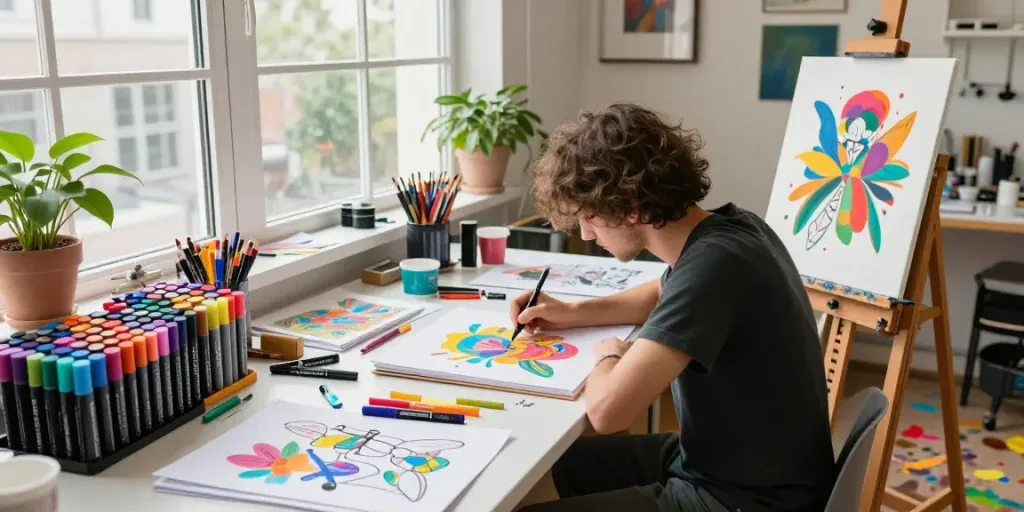
Understanding Marker Pens: Types and Uses
Marker pens are versatile tools that have become essential in various creative fields, from art to design and beyond. Understanding the different types of marker pens and their uses can significantly enhance the quality of work produced by artists, designers, and hobbyists alike. The market is continually evolving, and with the rise of specialized suppliers, such as marker pen supplier, customers can access a diverse range of high-quality products tailored to their specific needs.
What are Marker Pens?
Marker pens are writing instruments that use liquid ink contained in a reservoir. The ink is delivered to the tip of the pen, which can be either felt, brush, or plastic, allowing for various line widths and characteristics. They come in a multitude of colors, formulations, and tip styles, making them an adaptable choice for all sorts of applications, from everyday writing to intricate artwork.
Different Types of Marker Pens
Marker pens can be broadly categorized into several types, each designed to meet specific needs:
- Permanent Markers: These markers use ink that is waterproof and resistant to fading, making them ideal for labeling, outdoor use, and surfaces such as plastic and metal.
- Dry Erase Markers: Typically used on whiteboards, these markers allow for easy writing and error correction, making them popular in educational and organizational settings.
- Watercolor Markers: These markers are designed to mimic the properties of watercolor paint, ideal for artists who want flexibility in blending and shading.
- Art Markers: Often used by graphic designers and artists, these markers include a variety of ink types such as alcohol-based, which blend easily and are suitable for more professional artwork.
- Highlighters: Used primarily for marking text, highlighters come in bright colors, allowing users to emphasize important information effectively.
Choosing the Right Marker for Your Project
Selecting the correct marker is crucial for achieving desired results. Consider the medium on which you’ll be working, the permanence required, and the effects you wish to achieve. For instance, if working on glass or metal, a permanent marker would be more suitable, while a watercolor marker may be preferred for illustration work.
The Role of a Marker Pen Supplier in Creative Industries
Marker pen suppliers play an integral role in the creative ecosystem, supplying artists and designers with essential tools that influence the quality of their work. They ensure that a wide variety of markers is available, catering to all types of creative needs. By providing high-quality products, they enable creators to express their artistic visions effectively.
How Marker Pen Suppliers Support Artists
Marker pen suppliers not only offer products but also provide valuable insights into the latest trends and innovations in the industry. They can assist artists in selecting the right tools for their specific projects, ensuring they achieve the desired effects and maintain a high standard of quality. Moreover, they often collaborate with artists to create exclusive lines or limited-edition markers that cater to niche markets.
Importance of Quality in Marker Products
Quality is a crucial aspect when it comes to marker pens. Inferior quality markers can lead to inconsistent results, unpredictable fading, and undesirable effects that can compromise an artist's work. Reputable suppliers focus on sourcing high-quality materials, enabling artists to work with confidence. For example, markers that utilize premium pigments will yield vibrant colors and longevity.
Building Relationships with Suppliers
Establishing a strong relationship with a marker pen supplier can be beneficial for artists. This partnership can result in access to better prices, exclusive product launches, and support in sourcing unique materials that may not be readily available elsewhere. Furthermore, feedback from artists can help suppliers improve their products and services, creating a win-win situation.
Best Practices for Selecting Marker Pens
When selecting marker pens, it’s essential to consider several factors to ensure that the products meet your needs and expectations. Doing so can enhance your creative projects and improve overall satisfaction with your work.
Factors to Consider When Buying Marker Pens
- Intended Use: Determine the specific application, whether it’s for art, labeling, or educational purposes.
- Tip Size: The tip size plays a significant role in the precision of your work. Finer tips are better for detailed work, while broader tips suit larger areas.
- Ink Type: Consider the type of ink that best suits your needs, such as water-based, alcohol-based, or permanent ink.
- Color Range: A wide array of colors can enhance creative projects, allowing for greater expression.
- Price Point: Evaluate your budget while keeping an eye on quality, as investing in good quality pens can save money in the long run.
Top Brands from Reputable Suppliers
When searching for reliable marker pens, it’s advisable to consider established brands known for their quality and innovation. Some top brands include:
- Sharpie: Renowned for their permanent markers, Sharpie offers a variety of products suitable for numerous applications.
- Pentel: Known for their high-quality art markers, Pentel provides tools that professionals trust.
- Uni Posca: These markers are popular with artists for their vibrant colors and versatility.
- Tombow: Known for their dual-brush markers, Tombow is favored among illustrators and graphic designers.
Cost vs. Quality: Finding the Right Balance
While it might be tempting to opt for the cheapest markers available, it is vital to find a balance between cost and quality. Investing slightly more in reliable, high-quality marker pens can yield better results and satisfaction in the long term, as they typically perform better and last longer.
Trends in the Marker Pen Industry for 2026
As we look to the future, several trends are emerging in the marker pen industry that could shape the products available to artists and creators. Staying ahead of these trends allows suppliers and customers to adapt quickly to market demands.
Emerging Innovations in Marker Technology
The marker pen industry is witnessing innovations such as refillable markers, improved ink formulations for better blending, and smart markers that integrate technology for enhanced usability. These innovations offer artists more versatility and creativity in their work.
Environmental Sustainability in Marker Manufacturing
With growing awareness of environmental issues, many suppliers are focusing on sustainability in their manufacturing processes. This includes using eco-friendly materials, reducing waste, and offering biodegradable options for consumers. Artists are increasingly drawn to brands that prioritize sustainability, prompting a shift in supply strategies.
Future Market Predictions for Marker Suppliers
Market predictions suggest an increase in demand for specialty markers, including those designed for niche applications, such as ceramic art or fabric painting. Suppliers who can adapt to these trends and cater to specific market needs are likely to thrive in the coming years.
Conclusion and Next Steps for Artists and Suppliers
As the marker pen industry continues to evolve, artists and suppliers alike must stay informed about the latest developments and trends. By doing so, they can build fruitful collaborations that enrich the creative community.
How to Collaborate with Marker Suppliers
Artists should consider reaching out to suppliers for potential collaborations, sharing feedback on products, and exploring co-branded offerings. Engaging with suppliers can lead to unique opportunities and innovations that benefit both parties.
Expanding Your Art Supply Collection
To elevate your artistry, consistently seek to diversify your collection of marker pens. Don't shy away from exploring new brands and product lines that can enhance your creative expression and techniques.
Engaging with the Creative Community
Participate in workshops, online forums, and social media platforms that cater to artists. Sharing experiences and knowledge within the community can lead to valuable insights and collaborations, fostering a supportive network of creative individuals.