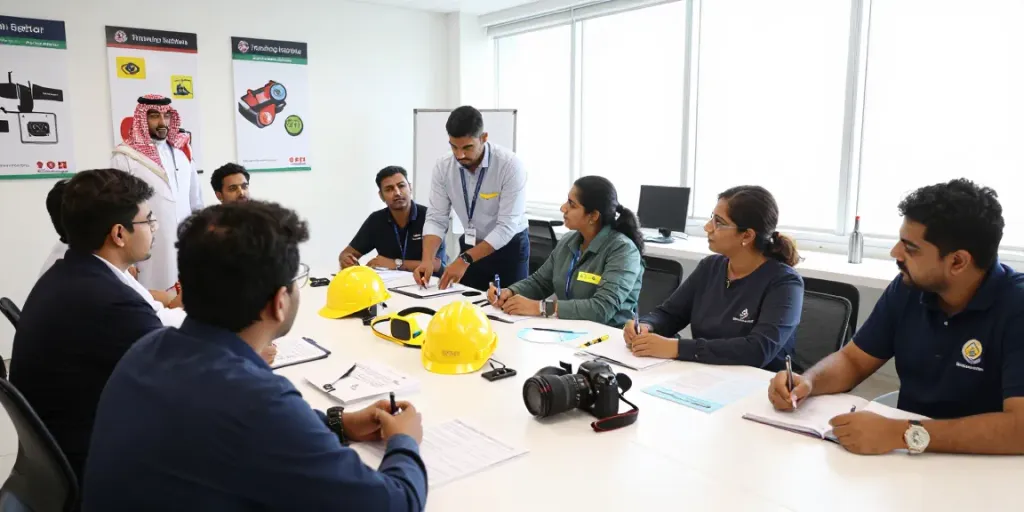
Understanding the Training Landscape in Saudi Arabia
As the Kingdom of Saudi Arabia undergoes significant transformation towards Vision 2030, the training landscape is evolving to meet the demands of various industries. The need for a skilled workforce, equipped with both technical and soft skills, has never been more pressing. This creates a ripe environment for training institutes that provide high-quality education and certifications, particularly in the realms of Health, Safety, and Environmental (HSE) management. When exploring options, Training Institute Saudi Arabia provides comprehensive insights into internationally recognized courses and certifications that can propel your career forward.
What Makes a Training Institute Stand Out?
In a competitive market, several factors differentiate a training institute from its peers. These include the quality of instructors, accreditation and recognition, tailored training solutions, and the availability of resources. First and foremost, the credentials and experience of the instructors are pivotal. A great instructor not only imparts knowledge but also engages students through practical, real-world applications of theoretical concepts.
Moreover, accreditation from recognized bodies such as the National Fire Protection Association (NFPA) and ProQual (UK) adds credibility to the programs offered. Many professionals seek training from institutions that have partnerships with these established organizations, as such affiliations often reflect a commitment to high standards of education and industry relevance.
Key Certifications and Their Importance
Certifications serve as tangible proof of a candidate’s capabilities and are essential in sectors such as construction, oil and gas, and manufacturing. For instance, the NFPA certifications are highly valued for those involved in fire protection systems and safety management. Likewise, obtaining a ProQual diploma can significantly enhance one's employability by demonstrating expertise in HSE practices and environmental management.
As industries evolve, staying updated through continuous education becomes crucial. Recognized certifications not only boost a candidate’s resume but also ensure adherence to the latest safety protocols and regulations.
Industry Needs and Trends for 2026
Looking ahead to 2026, several trends are shaping the landscape of professional training in Saudi Arabia. The demand for specialized skills in fields like environmental sustainability and safety management is growing. Consequently, training programs will increasingly focus on advanced topics such as AI in safety management and digital safety compliance tools.
Moreover, regulatory changes in the Kingdom will necessitate professionals to stay updated with the latest compliance measures, thereby increasing the relevance of ongoing education. Companies will favor candidates who can demonstrate both competence and commitment to lifelong learning.
Top HSE Training Programs Offered
With a plethora of options available, selecting the right programs is essential for career advancement in HSE. The following are some of the most recognized training programs in Saudi Arabia:
Overview of NFPA Certifications
The National Fire Protection Association (NFPA) certifications are globally recognized and essential for safety professionals. These certifications cover various aspects of fire safety, including design, installation, and maintenance of fire protection systems. Popular NFPA courses include NFPA Certified Fire Protection Specialist and NFPA Fire Inspector certifications. Professionals equipped with these credentials become invaluable assets to their organizations, ensuring compliance with safety standards and regulations.
Exploring ProQual Diplomas
ProQual offers a range of diplomas that focus on various aspects of health and safety. Notable qualifications include the NVQ Level 6 Diploma in Occupational Health and Safety Practice and ProQual Level 7 Diploma in Strategic Health and Safety Leadership and Management. These programs are designed for individuals aiming for strategic positions within their organizations, empowering them with the knowledge to implement effective safety management systems and lead safety initiatives.
Specialized Courses for Various Industries
Different industries have unique safety challenges, necessitating specialized training programs. For instance:
- Construction: Courses such as the ProQual Level 3 Award in Assessing Competence in the Work Environment address the specific safety needs in construction.
- Oil and Gas: Training in managing hazardous materials and emergency preparedness is critical for professionals in this sector.
- Manufacturing: Focused training on electrical safety and fire safety ensures compliance with rigorous industry standards.
The Benefits of Choosing the Right Institute
Opting for the right training institute can significantly influence one’s career trajectory. The benefits are manifold and offer substantial returns on investment.
Career Opportunities Post-Certification
Holding recognized certifications opens doors to numerous career opportunities, as employers prioritize candidates who demonstrate a commitment to safety and professional development. Many graduates from reputable training institutes find employment in major companies within the oil, gas, and construction sectors, often in roles with substantial responsibility and remuneration.
Corporate Training Benefits
For companies, investing in training programs for employees fosters a culture of safety and compliance. Corporate training packages can be tailor-made to meet specific organizational needs, enhancing staff competencies while ensuring adherence to local and international regulations.
Furthermore, many training institutes, such as Burraq Consulting, provide on-site training options, allowing businesses to build customized programs that fit seamlessly into their operational schedules.
Flexibility in Learning Environments
Modern training institutes recognize the diverse needs of their students. With the rise of online learning, many now offer hybrid learning modules that combine in-person workshops with online coursework. This flexibility allows professionals to balance their training with work commitments effectively, facilitating continuous learning without sacrificing current job responsibilities.
How to Choose the Best Training Institute
Choosing a training institute is a significant decision that requires careful consideration. Below are essential criteria to evaluate potential training providers.
Criteria for Evaluating Training Providers
When selecting a training institute, consider the following factors:
- Accreditation: Ensure the institute is accredited by recognized bodies, which validates the quality of the training provided.
- Instructor Qualifications: Research the qualifications and industry experience of instructors to ensure they bring real-world insights to their teaching.
- Student Support Services: Effective support systems can significantly enhance the learning experience, providing assistance with course materials and career advice.
Understanding Accreditation Bodies
Familiarize yourself with the accreditation bodies relevant to your industry. Institutions partnered with recognized organizations, like the NFPA and ProQual, typically offer more respected credentials. These affiliations ensure that the training aligns with the best practices and standards in the industry.
Student Testimonials and Success Stories
Researching testimonials from past students can provide insight into the effectiveness of a training program. Success stories highlight the career advancements and achievements of alumni, illustrating the practical benefits of certification.
Future of Training Institutes in Saudi Arabia
The future of training institutes in Saudi Arabia is promising, with innovations set to redefine the learning landscape.
Upcoming Training Innovations for 2026
Anticipated advancements in technology will pave the way for new training methodologies, including virtual reality (VR) training simulations, which allow for immersive learning experiences. Such innovations can enhance understanding of complex concepts, particularly in safety training.
Integration of Digital Learning Platforms
The integration of digital platforms will facilitate access to training materials, enabling students to learn at their own pace. This digital shift will cater to a broader audience, allowing professionals from diverse backgrounds to pursue certifications without geographical limitations.
Workforce Trends Influencing Training Needs
With emerging trends in remote work and digital collaboration, training institutes will need to adapt their curricula to address these shifts. Skills in virtual teamwork, digital communication, and cybersecurity will become increasingly important, reflecting the evolving global work environment.
What are the best courses for job seekers in Saudi Arabia?
Job seekers should focus on certifications that are in high demand, such as the ISO certifications, NFPA certifications, and ProQual diplomas. These qualifications are recognized across industries and greatly enhance employability.
How does online training compare to in-person?
Both online and in-person training have their merits. Online training offers flexibility and accessibility, while in-person training provides hands-on experiences and immediate interaction with instructors. The best option often depends on individual learning styles and career objectives.
What certifications are most sought after in the industry?
Certifications such as Certified Safety Professional (CSP), IOSH Managing Safely, and NEBOSH are highly regarded in the health and safety sector. These qualifications can elevate a professional's standing and are often prerequisites for advanced positions.
Is financial aid available for training programs?
Many training institutes offer financial assistance and payment plans to help students manage the costs of certification programs. It's advisable to inquire about such options during the enrollment process.
How do I choose the right training program for my career?
Consider your career goals, the specific skills you wish to acquire, and industry demands when selecting a training program. Research various courses, and consult with industry professionals or mentors to make an informed decision.