Understanding Turnkey PCBA
In the rapidly evolving landscape of electronics manufacturing, companies are constantly seeking efficient solutions to streamline their operations and enhance productivity. One such solution that has gained significant traction is turnkey PCBA, which offers a comprehensive approach to printed circuit board assembly. This service integrates various stages of the production process, from design and component sourcing to manufacturing and testing, under one roof. Understanding turnkey PCBA is essential for companies looking to accelerate their product development while minimizing complications and costs.
What is Turnkey PCBA?
Turnkey PCBA, or Turnkey Printed Circuit Board Assembly, refers to a full-service solution provided by manufacturers where every aspect of the PCB assembly process is managed by a single supplier. This typically includes:
- Design: Creating the schematic and layout for the PCB.
- Sourcing: Procuring all the necessary components.
- Manufacturing: Producing the PCB according to specifications.
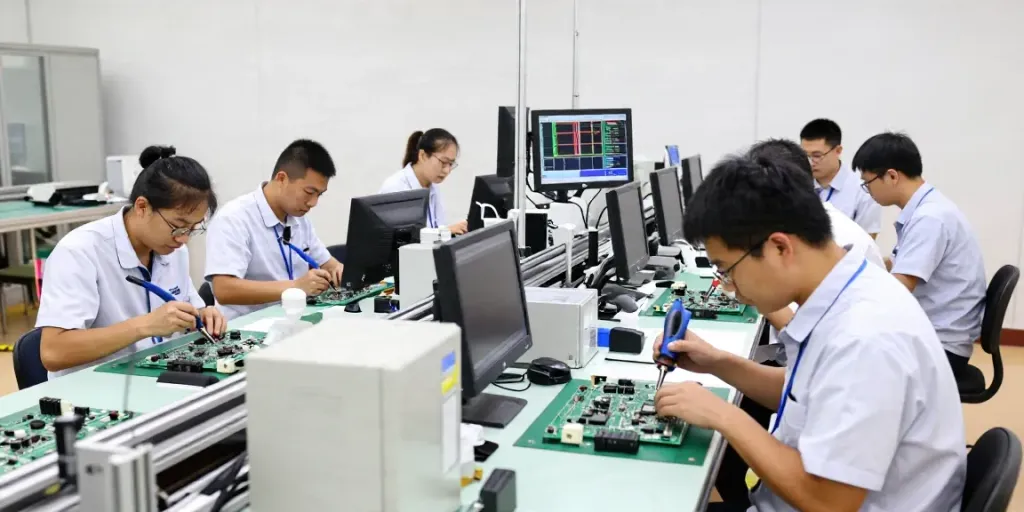
- Assembly: Placing components on the board and soldering them in place.
- Testing: Ensuring functionality and reliability through various tests.
- Delivery: Shipping the completed assemblies to the client.
This model allows companies to collaborate with a single point of contact, simplifying communication and reducing the risk of errors during production.
The Components of a Turnkey Solution
A turnkey PCBA solution is built upon several key components that contribute to its efficiency and effectiveness:
- Integrated Project Management: Coordination of all project phases by a dedicated team.
- Quality Control: Implementing stringent quality assurance protocols at every step.
- Flexible Production Plans: Adapting to clients' specific requirements and timelines.
- Advanced Technology: Utilizing modern equipment and techniques to enhance manufacturing precision.
By analyzing these components, businesses can better understand how turnkey solutions can cater to their unique needs and challenges.
Benefits of Using Turnkey PCBA Services
The adoption of turnkey PCBA services offers numerous advantages:
- Time Efficiency: By consolidating multiple stages of the process, companies can significantly reduce their time to market.
- Cost Reduction: Streamlining the supply chain and minimizing operational overhead can lead to lower overall costs.
- Enhanced Quality: With a single manufacturer responsible for the entire process, the quality control measures can be more robust and consistent.
- Simplified Communication: Working with one supplier avoids miscommunication that can arise when multiple vendors are involved.
These benefits are particularly crucial in a competitive environment where time and costs are critical factors influencing success.
Common Challenges in Turnkey PCB Assembly
Misconceptions Around Turnkey Solutions
Despite the advantages, there are several misconceptions about turnkey PCBA services that can hinder companies from leveraging their full potential. One common myth is that turnkey solutions are only suitable for large-scale productions. In reality, they can be tailored to accommodate small runs as well, making them versatile for companies of all sizes. Understanding these nuances can help businesses make more informed decisions.
Cost Implications and Budgeting
Another challenge often faced by organizations is budgeting. While turnkey solutions can offer cost savings, initial pricing may deter potential clients. It's essential to assess the long-term value rather than just upfront costs. Companies should consider the total cost of ownership, which includes aspects like reduced time to market and lower defect rates.
Quality Control Issues
Quality control is paramount in PCB assembly, and relying on a single supplier can raise concerns about oversight. However, reputable manufacturers implement rigorous quality assurance processes. Companies must conduct thorough evaluations to select a partner with a proven track record of quality in turnkey PCBA services.
Best Practices for Effective Turnkey PCBA
Strategies for Selecting a Reliable Manufacturer
Choosing the right partner for turnkey PCBA is crucial for success. Key strategies include:
- Conducting Comprehensive Research: Investigate potential suppliers and review their portfolios and customer testimonials.
- Evaluating Technical Capabilities: Ensure the manufacturer has the necessary technology and expertise aligned with your project needs.
- Understanding Terms and Conditions: Examine contract details to avoid hidden fees or unfavorable terms.
Implementing Robust Quality Assurance Processes
Establishing clear quality assurance standards from the outset can prevent defects and ensure product reliability. Collaboration with the manufacturer to create a quality control checklist is advisable, including:
- Incoming Material Inspection: Verifying the quality of components before use.
- In-Process Quality Checks: Regular assessments during the assembly process.
- Final Testing Procedures: Implementing comprehensive tests to validate functionality before shipment.
Maintaining Clear Communication Throughout Production
Open lines of communication are vital during the production process. Companies should consider establishing regular update meetings and progress reports. Utilizing project management tools can help keep everyone aligned and informed.
Real-World Applications of Turnkey PCBA
Case Studies of Successful Deployments
Numerous industries have successfully adopted turnkey PCBA services. For instance, a startup developing smart home devices partnered with a turnkey manufacturer to expedite their production process, resulting in a 40% reduction in time to market while maintaining high quality and reliability.
Industry-Specific Applications and Innovations
Turnkey PCBA is particularly advantageous in high-stakes industries such as medical devices, automotive, and aerospace. For example, a medical device company required precision and compliance with strict regulatory standards. By utilizing a turnkey PCBA service, they could ensure rigorous quality control while focusing on their core competencies.
The Role of Turnkey PCBA in Emerging Technologies
As technologies like IoT and AI continue to expand, the demand for efficient and reliable PCB manufacturing solutions will grow. Turnkey PCBA providers are well-positioned to support these innovations, enabling rapid prototyping and scaling while adjusting to evolving requirements.
Future Trends in Turnkey PCB Assembly
What to Expect in 2026 and Beyond
The future of turnkey PCBA is set to be shaped by advancements in technology and changing market demands. We can expect increased automation into the manufacturing process, enhancing precision and reducing lead times further. Additionally, more personalized services tailored to specific industry needs will become commonplace.
Impact of Automation and AI on PCBA
Automation is revolutionizing PCB assembly through enhanced manufacturing capabilities. The integration of AI can optimize design processes, predict equipment failures, and enhance quality control measures, leading to improved efficiencies and product quality.
Sustainability Trends in PCB Manufacturing
With growing concerns about environmental impacts, sustainability in PCB manufacturing is becoming increasingly important. The future will see a rise in eco-friendly materials, energy-efficient production processes, and recycling initiatives being adopted by turnkey PCBA services to meet consumers' expectations for greener products.