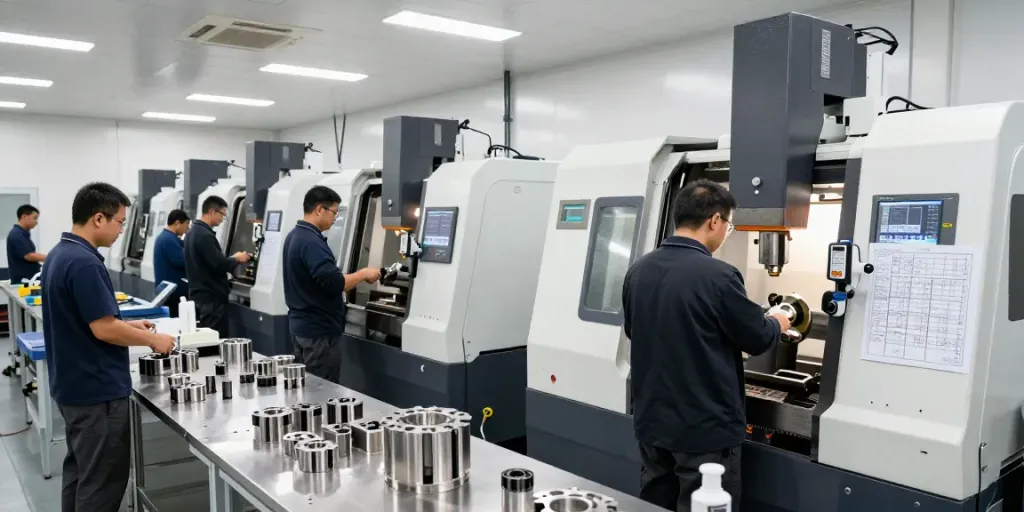
1. Overview of CNC Machining Parts Manufacturing
CNC machining parts manufacturing is at the forefront of the modern engineering landscape, providing unparalleled precision and efficiency. Since its inception, CNC technology has revolutionized the way parts are produced, enabling manufacturers to meet increasing demands for high-quality components across various industries. With a commitment to innovation and excellence, cnc machining parts manufacturer Honscn has been dedicated to delivering precision CNC machining services since 2003.
1.1 Understanding CNC Technology
Computer Numerical Control (CNC) technology involves the use of computers to control machine tools. These machines execute precise movements to create complex components based on digital designs. A CNC machine interprets Computer-Aided Design (CAD) models, converting them into physical parts through various processes including milling, turning, and drilling. This technology reduces human error, increases production speed, and allows for intricate designs that were previously unattainable with traditional machining methods.
1.2 Benefits of Precision Machining
- High Accuracy: CNC machining achieves tolerances of ±0.005 inches or better, enabling the production of complex geometries with extreme precision.
- Consistency: Unlike manual processes, CNC machines can replicate the same part over and over with identical accuracy.
- Flexibility: CNC systems can be reprogrammed to create different parts, making them ideal for prototype development.
- Reduced Waste: Advanced CAD and CAM software optimize material use, minimizing scrap and maximizing efficiency.
1.3 CNC Machining vs. Traditional Methods
While traditional machining relies heavily on manual operation, CNC machining automates much of the process. This shift not only enhances productivity but also leads to better quality control. Traditional methods often require skilled labor to perform complex tasks, whereas CNC machines operate based on programmed instructions, allowing for greater scalability and speed in production.
2. Key Trends in CNC Machining for 2026
As we look towards 2026, several key trends are emerging in the CNC machining industry. These trends reflect technological advancements and the changing needs of manufacturers across various sectors.
2.1 Emerging Technologies in CNC Machinery
With the integration of IoT (Internet of Things), CNC machines are evolving to become smarter and more interconnected. Real-time data analysis allows for predictive maintenance, reducing downtime and increasing operational efficiency. Additionally, advancements in 5-axis machining enable manufacturers to produce more complex parts with fewer setups, thus saving time and resources.
2.2 Sustainability Practices in CNC Manufacturing
Environmental considerations are increasingly influencing manufacturing practices. CNC manufacturers are adopting sustainable methods, such as using recyclable materials and minimizing energy consumption. Implementing eco-friendly machining processes not only benefits the environment but also meets the growing demand for sustainable products from consumers.
2.3 Automation and Smart Manufacturing
The rise of automation in manufacturing is a significant trend that allows for higher productivity levels. CNC machining is increasingly integrating automation technologies, including robotics, to streamline operations and reduce labor costs. Smart manufacturing systems leverage data and analytics to enhance decision-making processes, further optimizing production lines.
3. Challenges Faced by CNC Machining Parts Manufacturers
Despite its advantages, the CNC machining industry faces several challenges that manufacturers must navigate to remain competitive.
3.1 Supply Chain Disruptions and Material Shortages
Global events have highlighted vulnerabilities in supply chains, leading to material shortages that can impact production schedules. Manufacturers must develop robust supply chain strategies and diversify their material sources to mitigate these risks.
3.2 Workforce Skills Gap in Advanced Machining
The rapid advancement of technology has created a skills gap in the workforce. Finding trained CNC machinists who are familiar with advanced tools and software can be challenging. Companies should invest in workforce training and development programs to equip employees with the necessary skills to operate modern CNC equipment effectively.
3.3 Maintaining Quality Assurance Standards
Quality assurance is critical in CNC machining. Manufacturers must adhere to industry standards and implement rigorous quality control measures to ensure that parts meet specifications. Regular audits and updates to quality management systems are essential to address potential quality issues proactively.
4. Best Practices for Quality CNC Machining
To thrive in the competitive landscape of CNC machining, manufacturers must adopt best practices that safeguard quality and efficiency.
4.1 Implementing ISO Standards in Manufacturing
ISO 9001 certification signifies a commitment to quality management and continuous improvement. By adhering to these standards, manufacturers can enhance customer satisfaction and streamline their processes.
4.2 Utilizing Advanced Measurement Techniques
Incorporating advanced measurement techniques, such as laser scanning and coordinate measuring machines (CMM), allows for precise verification of part dimensions. These technologies ensure that manufactured parts meet critical specifications, reducing the incidence of defects.
4.3 Case Studies of Successful CNC Implementations
Examining successful case studies can provide valuable insights into effective CNC machining strategies. Companies that have implemented lean manufacturing principles, for example, have seen significant improvements in operational efficiency and waste reduction.
5. Future Outlook for CNC Machining Parts Manufacturers
The future of CNC machining parts manufacturing is bright, with continued growth driven by technological advancements and evolving customer demands.
5.1 Predictions for Market Growth in 2026
The CNC machining market is expected to experience substantial growth, with forecasts indicating an increase in demand for precision parts across various sectors, including aerospace, automotive, and medical. Manufacturers that adapt to changing trends and embrace innovation will likely seize significant market share.
5.2 The Role of AI and Machine Learning in Manufacturing
Artificial Intelligence (AI) and machine learning are set to transform CNC machining by enabling smarter decision-making and predictive analytics. These technologies can optimize machining processes by analyzing data from production runs and identifying areas for improvement.
5.3 Adapting to Customer Demands and Innovations
To stay competitive, CNC machining parts manufacturers must remain agile and responsive to customer needs. This includes offering customized solutions, rapid prototyping, and flexible manufacturing options that can accommodate short lead times and small batch sizes.
5.4 Frequently Asked Questions
As the CNC machining industry evolves, questions frequently arise regarding operational strategies, technologies, and market trends. Addressing these inquiries can empower manufacturers to make informed decisions.
5.5 How to Choose the Right CNC Machining Partner?
Selecting the right CNC machining partner is crucial for success. Factors to consider include the manufacturer’s experience, capabilities, quality standards, and customer support services. A partner that aligns with your specific needs and values can significantly enhance your production processes.
5.6 What Industries Benefit from CNC Machining Parts?
CNC machining serves a diverse range of industries, including aerospace, automotive, electronics, and medical devices. Each sector benefits from the precision and efficiency that CNC technology offers, leading to enhanced product quality and reduced time-to-market.
5.7 How Are CNC Machining Parts Customized?
Customization of CNC machining parts is facilitated by CAD/CAM software, which allows manufacturers to tailor designs according to specific client requirements. This flexibility caters to unique applications across different industries.
5.8 What Is the ROI of Investing in CNC Technology?
The return on investment (ROI) for CNC technology can be substantial. While the upfront costs may be significant, the long-term savings from increased efficiency, reduced waste, and lower labor costs often outweigh initial expenditures.
5.9 What Are Common Misconceptions About CNC Machining?
Common misconceptions include the belief that CNC machining is only suited for high-volume production or that it eliminates the need for skilled labor. In reality, CNC machines require skilled operators and can be utilized for both low and high-volume runs.