Understanding Dog Anxiety and Stress
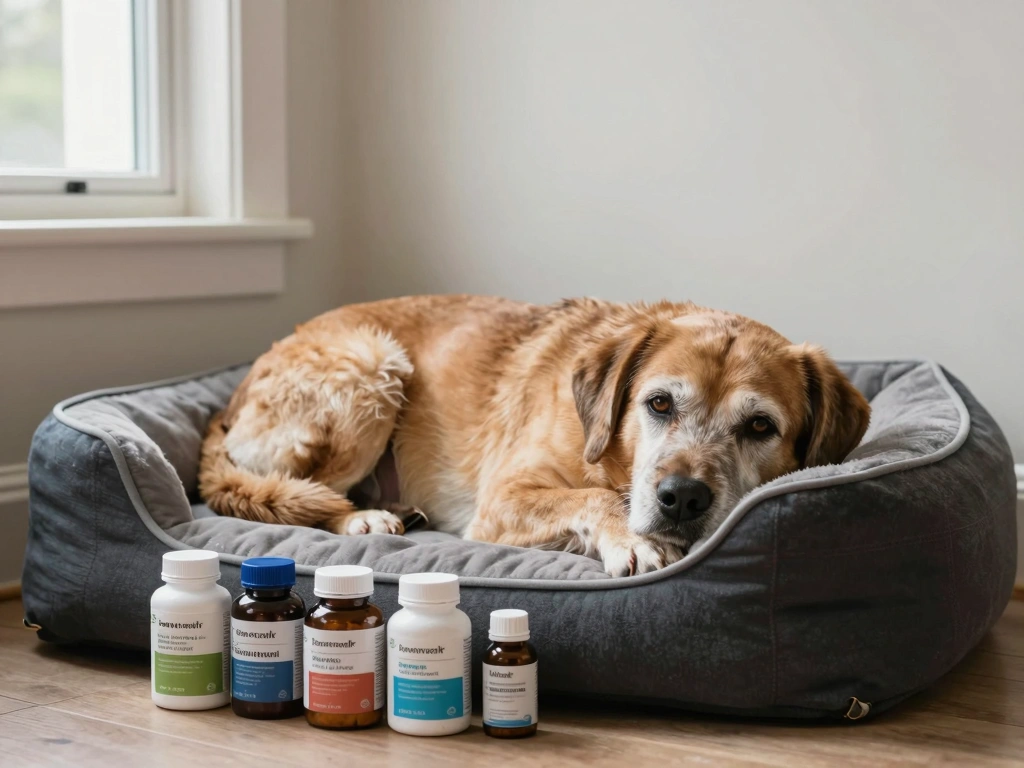
For many dog owners, the joy of having a furry companion can sometimes be overshadowed by their pet's anxiety and stress issues. Just like humans, dogs can experience a range of emotions, including fear and anxiety, which can manifest in various behavioral problems. Understanding the underlying causes of dog anxiety and how to effectively manage it is crucial for promoting a happier and healthier pet. In this article, we will explore how calming dog treats, like Calming Dog Treats, can be an essential part of your dog's wellness routine.
What Causes Stress in Dogs?
Dogs can become stressed for numerous reasons ranging from changes in their environment to medical issues. Some common triggers include:
- Loud noises (fireworks, thunderstorms)
- Changes in routine (moving to a new house, new family members)
- Separation anxiety (being left alone)
- Social interactions (new people or pets)
- Illness or pain
When a dog's routine is disrupted or when they face unfamiliar situations, their stress response can kick in. Recognizing these triggers is essential for dog owners to effectively alleviate their pet's anxiety.
Common Signs of Dog Anxiety
It’s important for pet owners to identify signs of anxiety in their dogs. Common indicators include:
- Pacing or restlessness
- Excessive barking or whining
- Destructive behavior (chewing furniture, scratching doors)
- Hiding or seeking comfort
- Changes in appetite
If you notice these behaviors, it may be time to explore calming solutions to promote a more tranquil state in your dog.
The Benefits of Calming Treats
Calming dog treats can provide nutritional support that targets the systems responsible for regulating mood and stress. Unlike sedatives, these treats offer a natural approach to easing anxiety, helping to create a calmer and more balanced dog. By incorporating calming treats into a dog’s daily routine, owners often report noticeable improvements in their pet's behavior and overall well-being.
How Calming Dog Treats Work
Calming dog treats include a mixture of active ingredients designed to soothe anxiety and promote overall relaxation without causing sedation. These ingredients work synergistically to support your dog's emotional health.
Key Ingredients in Calming Chews
Among the most effective ingredients found in calming dog treats are:
- Valerian Root: Widely recognized for its calming properties, valerian root has been used historically to promote relaxation and restful sleep.
- Lemon Balm: This herb belongs to the mint family and is known for its ability to ease nervous tension.
- L-Theanine: An amino acid found in green tea, L-theanine promotes relaxation without drowsiness.
- L-Tryptophan: A precursor to serotonin, this essential amino acid helps manage mood and regulate emotional balance.
- Magnesium Citrate: Important for nerve function, magnesium aids in reducing stress-induced symptoms.
- Ashwagandha Root: Adaptogenic properties of ashwagandha help support resilience in high-stress situations.
The Role of L-Theanine and Magnesium
L-theanine works to enhance the production of calming neurotransmitters while reducing levels of cortisol, the stress hormone. Combined with magnesium, which plays a vital role in nerve transmission, these ingredients take a holistic approach to anxiety relief. Pets receiving these nutrients are better equipped to cope with stressors effectively.
Adaptogens in Pet Stress Relief
Adaptogens are natural substances that help the body adapt to stress and exert a normalizing effect on bodily processes. Including adaptogens like ashwagandha in your dog's treats supports their mental and emotional balance, making it easier for them to handle stress in their daily lives.
Choosing the Right Calming Treats for Your Dog
With a vast range of calming products available in the market, selecting the right option for your dog can initially feel overwhelming. Factors such as ingredients, form, and your dog's specific needs play a critical role in this decision-making process.
Comparing Various Calming Products
When looking at calming products, consider the ingredients and the specific needs of your dog. Some products, like HighV Calm & Relax, contain multiple active ingredients designed to work together, while others might rely on a single herb or amino acid. The more comprehensive formulations may offer better support for dogs with pronounced anxiety.
Soft Chews vs. Crunchy Treats
The texture of calming treats can also influence a dog's preference and acceptance. Some dogs may prefer soft chews, which are often easier to consume, while others might enjoy crunchy options that can assist with dental health. Pay attention to your dog's preferences to ensure consistent usage.
Age and Size Recommendations
Calming treats are typically suitable for dogs from 12 weeks and older, but it is essential to follow the recommended dosage based on your dog's size. For example, a smaller breed may require a lower dose compared to larger breeds, and adjusting the frequency can lead to optimal results.
Feeding Guidelines and Best Practices
To maximize the benefits of calming treats, owners should follow dosing guidelines and daily routines that support overall wellness.
When to Administer Calming Treats?
Timing is crucial when providing calming treats. For regular anxiety management, daily administration with meals at the same time can lead to better results over time. For known stress triggers, such as thunderstorms or fireworks, giving the treat one to two hours prior to the event can be effective.
Daily Routine for Optimal Results
Consistency is key in promoting a calm demeanor in your dog. Establishing a daily routine along with a practice of feeding calming treats can reinforce a positive cycle of behavior. Owners should expect to see noticeable improvements within two to four weeks of regular use, although some may observe changes sooner.
Integrating with Other Supplements
If your dog is already on supplements, it is important to consider how calming treats might fit into their existing regimen. Discussing this with a veterinarian ensures safe integration and avoids potential interactions, particularly with medications used for anxiety or other conditions.
Safety and Quality Considerations
Ensuring the safety and quality of calming products is of utmost importance for responsible pet ownership. Owners should look out for products that provide transparency regarding their manufacturing processes and ingredient sourcing.
Importance of Third-Party Testing
Third-party testing is crucial for verifying the effectiveness and safety of pet products. Reputable brands will provide Certificates of Analysis (COA), detailing the potency and purity of their ingredients. Checking for contaminant testing, including heavy metals and pesticides, is vital for safeguarding your pet's health.
Understanding Labels and Ingredients
Reading labels can help you make well-informed decisions for your dog's health. Look for specific amounts of active ingredients and avoid products that contain vague terms like "proprietary blends," which may obscure crucial information about dosages.
Legal Considerations for Calming Products
As of 2026, regulations surrounding CBD and pet products continue to evolve. The 2018 Farm Bill legalized hemp-derived products that contain less than 0.3% THC, but state regulations may vary significantly. Ensuring that the product complies with the laws in your area will help you avoid legal issues.
Do Pump Up Your Pet's Calm Factor:
Integrating a calming product is one way to promote your dog's emotional health, but it's essential to also focus on habitual practices. Regular exercise, mental stimulation, and a structured routine can further enhance the effects of calming treats, creating a comprehensive wellness strategy for your pup.
What are Natural Ingredients Made of?
Natural ingredients in calming products can include botanicals, minerals, and amino acids, each playing a specific role in stress relief. Understanding what these ingredients do will help you gauge which products align best with your dog's needs.
How Long to See Results?
Results can vary based on individual differences, including the severity of anxiety and the dog's overall health. While many pet owners report seeing changes within the first few days, a consistent feeding routine is recommended for optimal effectiveness over several weeks.