Understanding Containerized Water Treatment Systems
In an era where water scarcity and pollution are major global issues, the need for effective and adaptable water treatment solutions has become increasingly crucial. Containerized water treatment systems represent a revolutionary approach to addressing these challenges. These systems utilize modular technology to create customizable water treatment processes that cater to a variety of needs across municipal, industrial, and remote applications. With their capacity for easy relocation and reuse, containerized systems are designed to adapt seamlessly to changing environmental and operational requirements.
When exploring options, Containerized water treatment systems offer comprehensive insights into innovative and efficient solutions that can operate effectively under diverse conditions and water quality scenarios. This adaptability makes them ideal for both permanent installations and temporary deployments, which is increasingly relevant in today’s rapidly evolving landscape.
What Are Containerized Water Treatment Systems?
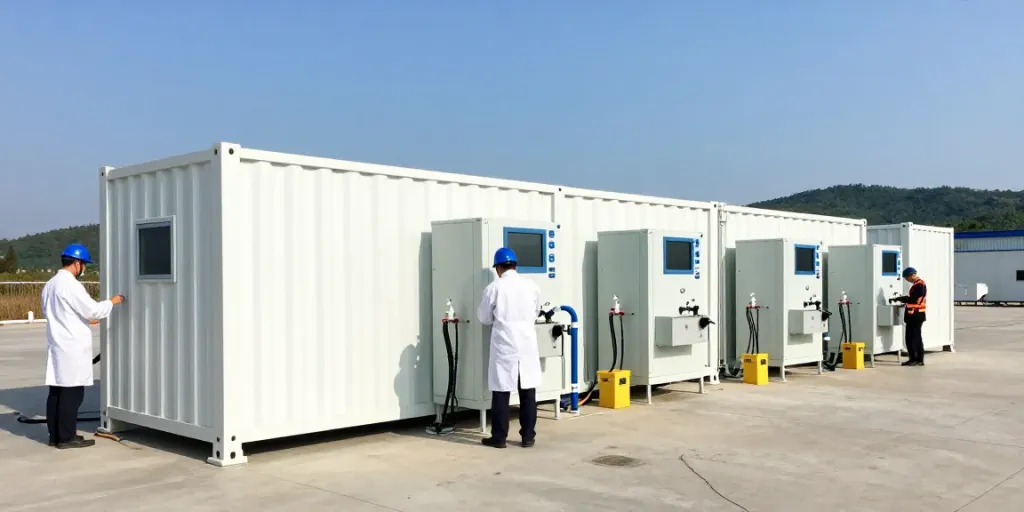
Containerized water treatment systems are pre-engineered, modular solutions that consolidate various water treatment processes within shipping containers. These systems are designed to perform all functions typically associated with a conventional water treatment plant, including filtration, disinfection, and purification, all while allowing for mobility and ease of setup. This design caters specifically to scenarios where traditional infrastructure may be unrealistic or too costly and time-consuming to implement.
Core Components and Functions
At the heart of a containerized water treatment system are several key components:
- Filtration Units: These remove larger particles and impurities from water, ensuring clarity and safety.
- Disinfection Systems: Utilizing methods such as UV radiation or chemical disinfection, these systems eliminate pathogens and harmful microorganisms.
- Membrane Processes: Techniques like reverse osmosis (RO) and electrodialysis (EDI) are employed to achieve high-purity water, especially for pharmaceutical or laboratory applications.
- Control Systems: Advanced monitoring systems provide real-time data and remote operation capabilities, allowing for optimal management and performance oversight.
Advantages over Traditional Systems
Containerized systems hold significant advantages over traditional water treatment solutions:
- Speed of Deployment: Deployment can occur within 3-7 days, significantly faster compared to traditional systems that may take several months to construct.
- Space Efficiency: These systems require significantly less space, often needing only flat ground for placement and saving up to 50% of the floor area.
- Quality Assurance: Factory prefabrication and standardized inspections contribute to higher quality control, reducing variability seen in on-site constructions.
- High Reusability: With over 90% reusability, containerized systems can be easily relocated, making them a sustainable choice for water treatment.
- Resource Recycling: By integrating reclaimed water modules, these systems can achieve resource recycling rates of up to 80%, enhancing sustainability and reducing operational costs.
Innovative Features of Containerized Systems
Modular Design and Flexibility
The modular design of containerized water treatment systems allows for tailored configurations that can be customized to meet specific requirements. This flexibility means that systems can be expanded, scaled down, or adjusted based on the volume of water needing treatment or the quality of incoming water. Such adaptability is crucial in a world where water needs can vary dramatically due to urbanization, climate change, and evolving industrial demands.
Advanced Technology in Water Filtration
Containerized systems employ cutting-edge technology in water filtration and purification. For instance, reverse osmosis technology is increasingly popular due to its effectiveness in removing contaminants to produce high-purity water suitable for the most sensitive applications, including pharmaceuticals and laboratories. Moreover, the integration of RO with EDI technology enhances the purity further, ensuring that water produced meets stringent quality standards.
Real-time Monitoring and Control Systems
Modern containerized water treatment systems are equipped with intelligent control systems that facilitate real-time monitoring and management. Operators can monitor water quality parameters, flow rates, and system performance remotely, enabling prompt adjustments and minimizing downtime. This level of automation and oversight is particularly beneficial in industrial settings where operational efficiency and compliance with regulatory standards are paramount.
Applications Across Industries
Municipal Water Treatment Solutions
Containerized water treatment systems are increasingly being utilized by municipalities to provide reliable drinking water solutions. In areas where water sources are contaminated or insufficient, these systems can be deployed rapidly to ensure safe water supply for public consumption. Their modular nature allows for quick adjustments to capacity as community needs grow.
Industrial Applications for High-Purity Water
Industries such as pharmaceuticals, microelectronics, and food and beverage production require high-purity water for their operations. Containerized systems are designed to meet these stringent demands through advanced filtration and treatment processes. The high-purity water produced is essential in maintaining product quality and compliance with health regulations.
Remote and Emergency Water Supply Systems
In remote locations, where traditional water infrastructure is impractical, containerized systems provide an immediate solution for potable water supply. They are also invaluable in emergency situations, such as natural disasters, where rapid deployment of clean water is critical. The ability to set up these systems quickly ensures that communities can access safe drinking water during crises.
Cost-Effectiveness and Efficiency
Comparative Analysis of Installation Costs
When evaluating the installation costs associated with containerized water treatment systems versus traditional systems, the advantages of containerization are clear. Traditional systems often require extensive civil engineering work and can take several months to construct, leading to high labor and material costs. In contrast, containerized systems can be deployed at a fraction of the cost and within a much shorter time frame, making them an economically attractive option.
Operational Efficiency: Time and Resource Savings
Operational efficiency is significantly enhanced with containerized systems. The time saved during deployment is complemented by reduced operational complexity, resulting in lower ongoing maintenance costs. The real-time monitoring systems provide valuable insights into operational performance, leading to proactive management and fewer interruptions.
Long-term Financial Benefits
Investing in containerized water treatment systems can yield substantial long-term financial benefits. The initial savings in setup costs, combined with lower maintenance and operational expenses, make these systems not only an effective solution for immediate needs but also a financially prudent choice for the future. The high reusability rate further ensures that assets are optimized over time.
Future Trends in Containerized Water Treatment Systems
Emerging Technologies and Innovations
The water treatment industry is on the brink of significant evolution with the advent of new technologies. Innovations such as memetic filtration, advanced biological treatments, and artificial intelligence for system operation are becoming more prevalent. Containerized systems are poised to integrate these advancements, further improving efficiency and water quality.
Predicted Market Growth and Demand
As global water demand continues to rise, the market for containerized water treatment systems is expected to grow substantially. Factors such as water scarcity, urbanization, and regulatory pressures will drive the need for flexible and effective treatment solutions. Analysts predict a robust market for containerized systems over the next decade as more industries and municipalities recognize their advantages.
Sustainability and Environmental Impact Considerations
With increasing awareness around environmental issues, sustainability remains a key focus for future water treatment solutions. Containerized water treatment systems contribute positively by reducing the environmental footprint associated with traditional constructions, minimizing resource wastage, and promoting water recycling. They offer a pathway to more sustainable water management practices that align with global climate goals.
How Do Containerized Solutions Promote Resource Recycling?
The integration of reclaimed water reuse modules within containerized systems allows for a significant reduction in the demand for fresh water sources. By treating and reusing water, these systems can achieve resource recycling rates of up to 80%, making them an integral part of sustainable water management strategies. Such capabilities not only conserve water but also reduce operational costs, enhancing overall resource efficiency for businesses and municipalities alike.